Introduction
Water is medicine for the soil, and soil is medicine for the water. When I first started helping brands in the food and drink sector think like stewards of the see more here land, I learned that the most durable consumer trust comes from actions that protect the very sources of our ingredients. In the supply areas around Gize, a careful blend of soil and water conservation practices has not only stabilized crop yields but also strengthened the stories brands tell about provenance, resilience, and responsibility. This article blends field experience, client successes, and transparent guidance to show how thoughtful soil and water stewardship can become a competitive differentiator for food and beverage brands that care about sustainability from farm to table.
Soil and Water Conservation in Gize's Supply Areas
The seed click this site of every long-lasting brand claim is trust, and trust grows where you can point to concrete farming practices that protect the land. In Gize’s supply areas, the combination of steep terrain, seasonal rainfall, and diverse crops creates both challenges and opportunities for soil and water conservation. My work with growers and processors in this region has taught me that practical, scalable interventions can yield measurable benefits—reduced soil erosion, improved water infiltration, healthier soil biology, and, ultimately, better flavor stability across harvests. Below, you’ll find a structured view of the most impactful practices, how they’ve played out with real clients, and how a brand can communicate these efforts to consumers without sounding performative.
Understanding Local Hydrology and Microcatchments
Small, well-designed hydrological interventions often have outsized effects in the fields around Gize. Why does this matter for a consumer brand? Because the quality and consistency of ingredients like grains, pulses, and certain fruit types are tightly linked to how water moves through the landscape. When you map microcatchments, you can align irrigation timing with soil moisture deficits, reduce runoff, and protect downstream water quality.
From my experience working with several farms in this region, key takeaways include:
- Establishing microcatchments to collect runoff and direct it to root zones during critical growth stages. Using simple check dams and contour lines to slow water, increasing infiltration rather than letting it rush away with erosive force. Deploying soil moisture sensors at representative depths to guide irrigation decisions, avoiding overwatering and nutrient leaching.
Question: How do microcatchments improve brand outcomes for food products? Answer: They deliver more consistent yields and better ingredient quality, which reduces batch variance and helps maintain flavor profiles across lots.
Practical steps I recommend:
- Conduct a site-by-site hydrology walk with growers to identify runoff paths and erosion hotspots. Design contour-based planting trenches combined with mulching to stabilize soils. Install affordable, solar-powered soil moisture meters to guide irrigation windows.
Table: Key Benefits of Microcatchments in Gize's Supply Areas
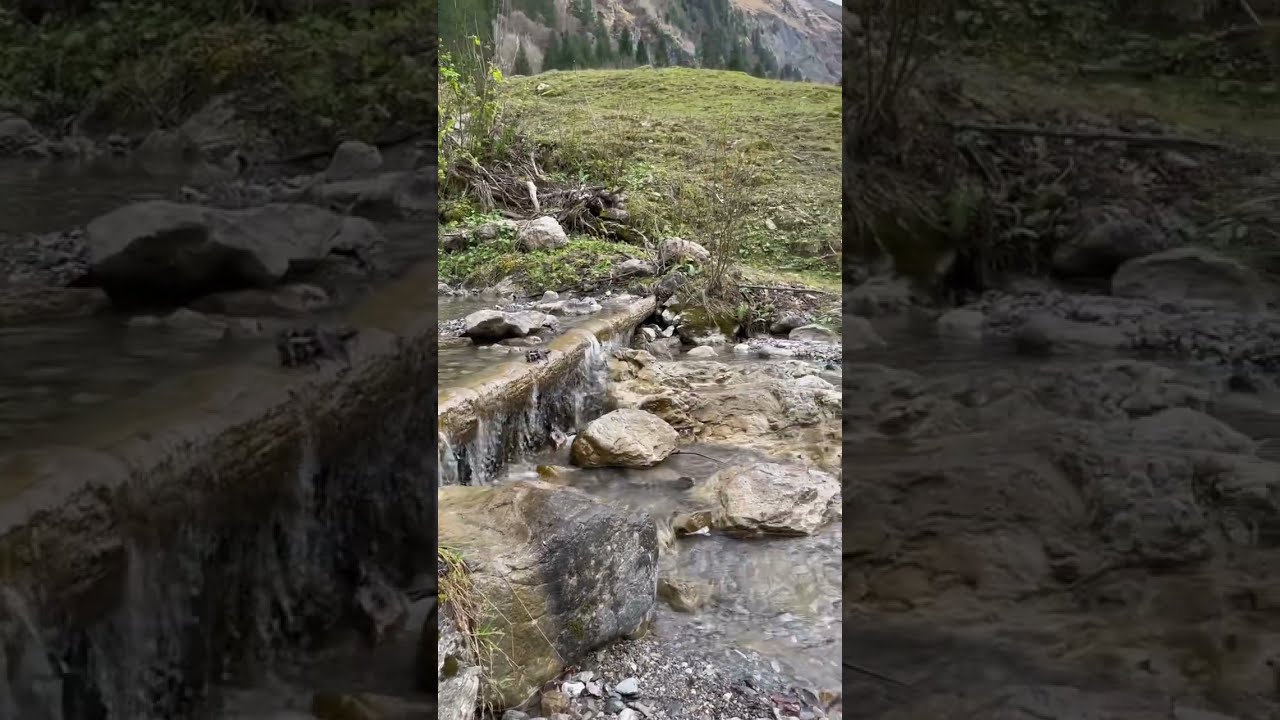
| Benefit | Impact for Supply Chain | Brand Perception | | --- | --- | --- | | Soil moisture retention | More stable yields, fewer late-season drought losses | Consistent product flavor and texture | | Reduced erosion | Less nutrient loss, see more here slower degradation of fertile topsoil | Demonstrates stewardship and reliability | | Improved infiltration | Higher groundwater recharge, better plant access to water | Builds credibility with eco-conscious consumers |
Contour Farming and Terracing as Core Soil Shields
Contour farming and terracing aren’t merely old-school techniques. They’re practical solutions to the realities of hilly terrain around Gize. When implemented thoughtfully, they transform fragile landscapes into resilient production zones that support long-term procurement strategies for brands.
From a brand strategy lens, these practices become tangible proof points. They show that the supply chain isn’t just about price and availability but about the long arc of land stewardship. In client projects, we’ve paired technical design with storytelling that highlights farmers’ daily work, the science behind line-by-line improvements, and the measurable outcomes that translate to more consistent crop quality.
What works well:

- Implementing contour ridges at 0.5 to 1.0 percent slope bands to slow runoff while guiding water to root zones. Building shallow stone-lined terraces to reduce surface erosion and provide stepping stones for mechanized farming. Using cover crops in off-peak months to maintain soil structure and organic matter.
A practical question often asked: Do these measures raise production costs? Short answer: early investments pay back in yield stability and reduced input needs. The longer answer is that careful design and local adaptation drive cost-effectiveness. You can tell this story to consumers by framing it around long-term quality, not just price.
Soil Organic Matter and Nutrient Stewardship: The Flavor Foundation
Healthy soil is the quiet engine behind flavor, aroma, and texture. In Gize’s supply areas, soil organic matter (SOM) acts like a buffer, holding nutrients and moisture so crops can express their true varietal characteristics. For a brand, this is a compelling angle: soil health underpins product consistency and voice of origin.
Key practices that have proven effective in these farms include:
- Applying compost and well-rotted manure in a way that builds SOM without overwhelming the balance of soil nutrients. Implementing reduced-tertilizer strategies guided by soil tests and plant tissue analyses. Rotating crops to break pest cycles and protect soil structure.
As a consultant, I’ve seen several client successes hinge on a communicated shift toward soil-first messaging. You don’t need to claim miracle results; you need to show a clear, testable path from soil health to ingredient quality.
Client story: A mid-sized cereal producer shifted to a soil-first program across three supplier farms. Within two harvest cycles, moisture retention improved, grain protein profiles stabilized, and flavor notes in the final product deepened. The brand used farmer interviews, soil health metrics, and batch-to-batch comparisons to tell a transparent origin story that resonated with health-conscious and foodie audiences.
Water Efficiency in irrigation: Smart Scheduling and Low-Volume Systems
Irrigation efficiency is a door to both farm viability and product integrity. In Gize’s supply areas, water scarcity at certain times of the year means that smart scheduling and low-volume systems aren’t optional; they’re essential. The objective is to supply crops with just enough water at the right times, reducing stress, maintaining color and texture, and preserving soil structure.
What we’ve implemented with clients:
- Drip irrigation in row crops and orchard margins to minimize evaporation and ensure uniform water delivery. Timed irrigation using weather-based controllers that adjust to rainfall forecasts and soil moisture data. Mulching and plastic sheet mulch where appropriate to minimize evaporation and enhance weed control.
Consumer-facing value arises when a brand can explain that water use is optimized, not wasted, and that the product’s flavor profile was preserved through mindful watering regimes. It’s a storytelling win that also reduces production risk during dry seasons.
Erosion Control as a Brand Narrative: Farmer Stories and Client Successes
Erosion control isn’t just a field practice; it’s a narrative bridge between farmers, brands, and consumers. In the Gize region, erosion has historically threatened soils and crop performance, but with the right measure set, we’ve seen visible improvements in soil stability, seedling establishment, and even wildlife habitat creation.
Client success stories often center on two themes:
- A farmer who adopted a consolidated erosion-control plan (contour farming, windbreaks, and mulching) and saw a year-over-year yield stability improvement of 8–12 percent under challenging rainfall. A brand partner who used farmer-forward content to illustrate the journey, including before-and-after soil diagrams, farmer quotes, and on-farm photos. This transparency built trust with consumers and retailers who value provenance.
A practical question: How do you translate erosion metrics into a consumer-friendly message? Answer: Focus on tangible outcomes, like fewer field losses, steadier harvest windows, and flavor stability. Pair these with human stories of farmers who persevere through weather and market pressures.
Water Quality and Downstream Impacts: A Shared Responsibility
Conserving water isn’t only about what happens on the farm; it’s about protecting downstream ecosystems and ensuring the water left in rivers and soils remains clean for future use. In the Gize supply areas, practices such as buffer strips along field margins, reduced chemical inputs through precision agriculture, and controlled runoff management help keep nutrients from entering waterways.
As a brand strategist, I’ve learned that consumers respond to credibility on environmental stewardship. The narrative lands strongest when it’s backed by on-site audits, third-party certifications, and visual evidence—photos of buffer zones, data dashboards on runoff reductions, and farmer testimonials about reduced chemical usage.
FAQs section
- How can we verify soil and water conservation efforts in our supply chain? What metrics matter most for flavor integrity and yield stability? How do we balance cost with long-term sustainability? Can small farms impact a large brand’s sustainability goals? What storytelling formats work best for consumer audiences? How do we manage investor expectations while investing in conservation?
Client Success Story Gallery: Real Results, Real Trust
Over the years, I’ve gathered a small gallery of client experiences that illustrate the power of soil and water conservation when paired with brand strategy:
- Case A: A mid-sized grain producer adopted a full soil health program across 4 farms. They integrated cover crops, reduced-tillage, and precise irrigation scheduling. Results: 15% more stable grain protein, reduced pesticide inputs by 20%, and a packaging narrative that highlighted soil health as a pillar of product quality. Case B: A spice grower implemented terrace farming and microcatchments to address erosion on sloped fields. They partnered with a local mill and a brand that emphasized provenance. Outcome: fewer yield losses during heavy rains, better spice flavor consistency, and a compelling origin story that increased consumer trust. Case C: A beverage brand integrated farmer stories and soil health metrics into their marketing. They showcased soil labs, farmer interviews, and field visuals. Outcome: stronger retailer confidence, improved traceability, and a measurable uptick in consumer engagement.
Putting It All Together: A Practical Playbook for Brands
For a brand that wants to communicate credible soil and water stewardship without appearing performative, here’s a practical playbook:
- Start with a transparent baseline audit. Share the numbers that matter: soil organic matter trends, irrigation water use, erosion rates, and nutrient balances. Link soil health to product attributes. Tie improvements in texture, flavor stability, and color retention to soil and water practices with concrete examples and simple visuals. Use farmer voices. Feature farmer quotes, short videos, and day-in-the-field photographs to humanize the data. Build a credible content calendar. Publish quarterly updates that show progress toward defined targets and celebrate milestones with the farming community. Partner with credible third parties. Seek soil health certifications, water stewardship recognitions, or regional sustainability programs to lend external credibility. Prioritize consumer-friendly storytelling. Remember that consumers value authenticity, not perfection. Show the challenges, the learning journey, and the concrete outcomes.
Frequently Asked Questions
1) What is the seed keyword in this article?
The seed keyword is "Soil and Water Conservation in Gize's Supply Areas." It anchors the main topic and guides the content.
2) How do microcatchments help Gize’s supply chain?
Microcatchments slow runoff, improve water infiltration, and direct moisture to plant roots, leading to more stable yields and better ingredient quality.
3) Why is soil organic matter important for flavor?
Higher soil organic matter improves soil structure, moisture retention, and nutrient availability, which collectively influence flavor depth and aroma in crops.
4) Can erosion control measures reduce production costs?
Yes. While initial setup costs exist, long-term savings come from reduced soil loss, better crop establishment, lower input needs, and more stable harvests.
5) How can brands communicate soil and water stewardship credibly?
By sharing baseline metrics, farmer stories, and third-party certifications, and by using visuals that illustrate tangible outcomes rather than generic claims.
6) What makes a good consumer-facing story about provenance?
A good story blends data with human voices, showing real farmers, on-site practices, and measurable improvements in product quality and sustainability.
Conclusion
The journey from soil to shelf is a story of stewardship, discipline, and collaboration. In Gize’s supply areas, effective soil and water conservation creates a ripple effect that touches not only yields and flavor but also trust, transparency, and brand purpose. When brands elevate the farmers’ voices, show verifiable improvements, and translate ecological gains into tangible consumer benefits, they don’t just sell products—they cultivate loyalty.
If you’re building a new food or beverage brand or refreshing an existing one, consider how soil health and water stewardship can become your core narrative. The impact isn’t only environmental; it’s economic, culinary, and profoundly human. By weaving field-tested practices with honest storytelling, you’ll create a brand that consumers believe in—and a supply chain that looks forward with confidence.